Surgical Services & Specialties
Comprehensive paediatric surgical care structured across international protocols and clinical registries.
Neonatal & Paediatric General Surgery
Comprehensive general surgical care for infants and children, addressing common and urgent pediatric conditions.
Surgical Interventions Include:
- Hernia & Hydrocele: Safe, open and minimally invasive repairs.
- Circumcision: Standardized, comfortable recovery techniques.
- Acute Abdomen: Rapid intervention for appendicitis and other abdominal conditions.
Corrective Surgery at birth
Specialized anatomical reconstructions for infants born with structural defects of internal systems.
Anatomical Specializations:
- Thoracic Anomalies: Resection of congenital lung lesions (CPAM).
- Abdominal Defect Repair: Staged closures for Gastroschisis & Omphalocele.
- Colorectal Reconstructions: Pull-through procedures for Hirschsprung's Disease.
Paediatric Cancer Surgery
Integrated surgical support for children diagnosed with solid tumors, working closely with pediatric oncology teams.
Oncological Procedures:
- Solid Tumor Resection: Surgical excision of Wilms Tumor & Neuroblastoma.
- Vascular Access Placements: Inserting chemotherapy access ports (Port-a-Caths).
- Diagnostic Biopsies: Excisional staging biopsies.

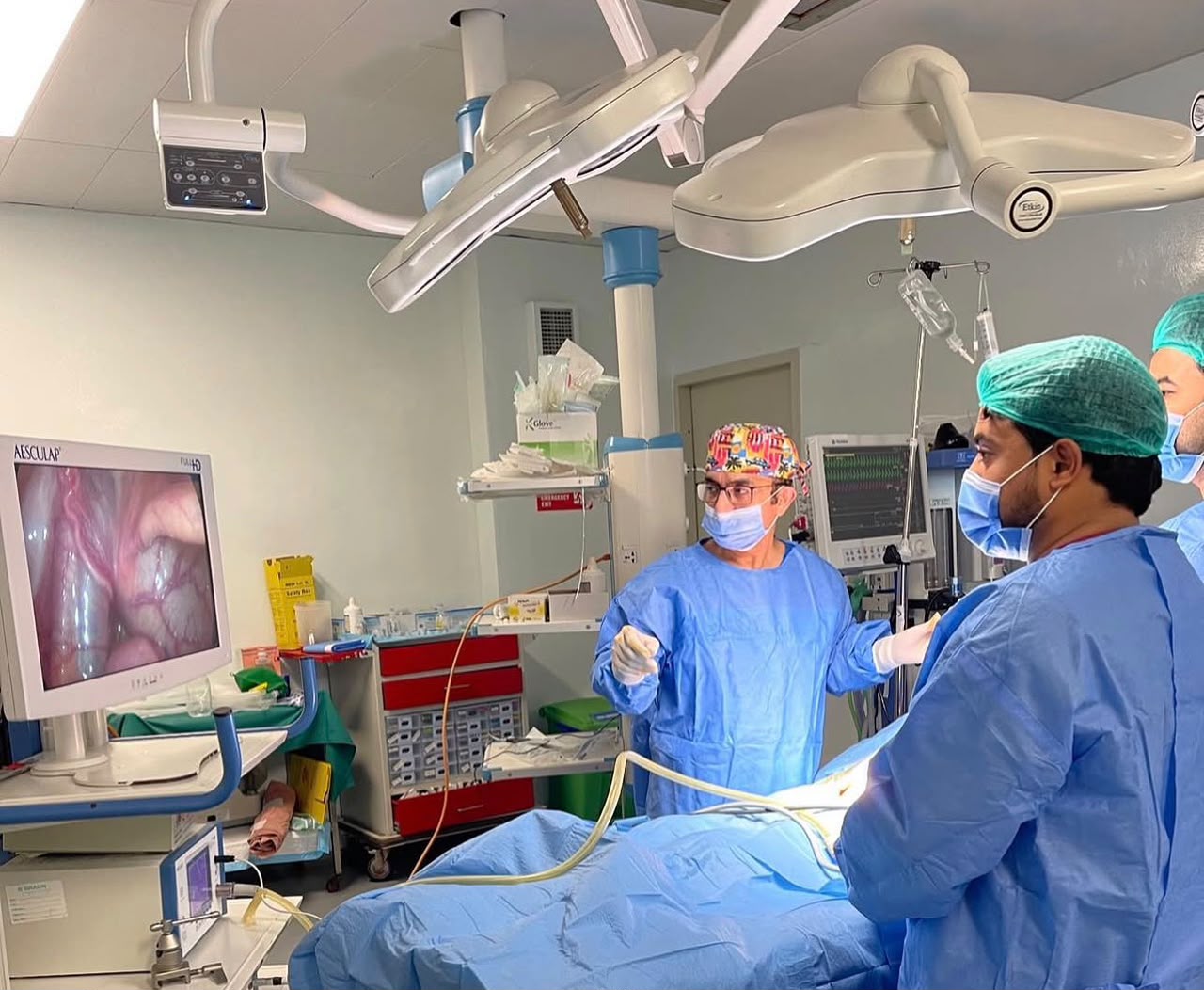
Minimally Invasive & Laparoscopic Surgery
Using high-definition optical cameras and tiny scopes to minimize pain and speed up recovery times.
Clinical Benefits:
- Aesthetic Healing: Microscopic incisions that prevent large scars.
- Rapid Recovery: Less tissue trauma and significantly less pain.
- Core Keyhole Procedures: Laparoscopic appendectomy & orchidopexy.
Neonatal Surgery
Specialized operating procedures inside advanced NICUs for premature newborns requiring immediate life-saving surgery.
NICU Surgical Support:
- Bedside surgical support for critically ill neonates.
- Management of necrotizing enterocolitis (NEC) and bowel salvage.
- Coordinated intensive care with neonatologist teams.
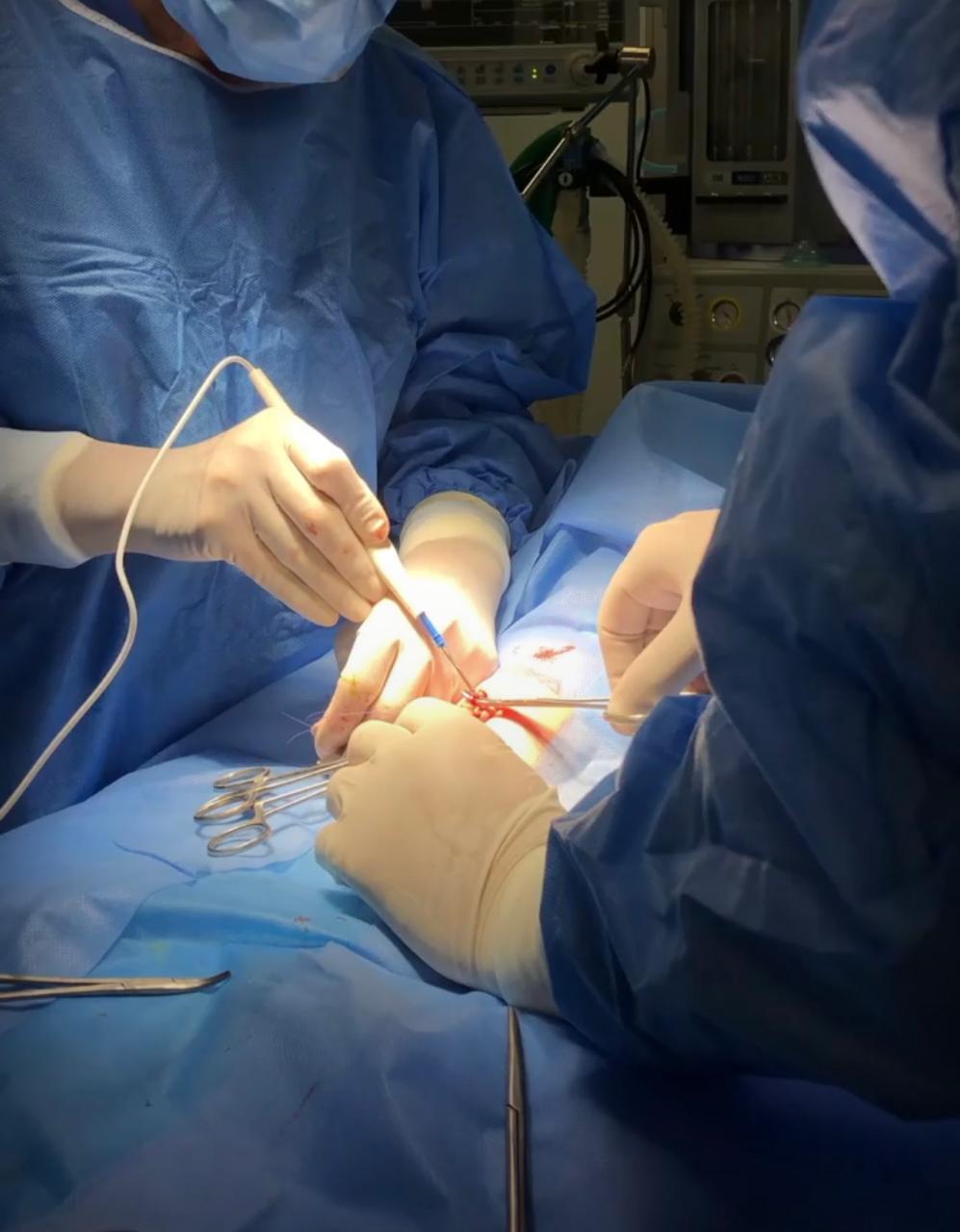
Clinical Governance & Patient Safety
Enforcing strict clinical safety checklists and module surgical environment protocols.
Safety Protocols Enforced:
- WHO Checklist Audit: Mandated pre-induction safety checklists.
- Modular Cleanrooms: Advanced air filters to prevent surgical site infections.
- Patient Journey Maps: Standardized clinical pathways from pre-op to discharge.
Surgical Training & Medical Education
In addition to active surgery, Dr. Farhan Ansari serves as an examiner and tutor in pediatric surgical skills. He conducts clinical training boards, reviews student journals, and leads evidence-based medical courses for postgraduate registrars.